Source Fashion Hair Clip for Daily Use, Parties, and Events
Explore 30 listings of fashion hair clip options in metal, plastic, and fabric materials. Buyers can compare styles like flowers, bows, and animals, along with prices, MOQs, and shipping methods for global sourcing needs; compare the available evidence and request quotations based on your requirements.
Key considerations
Products List






Comprehensive Sourcing Guide
Fashion Hair Clip Sourcing Guide
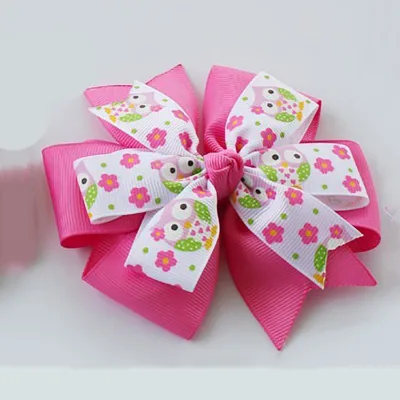
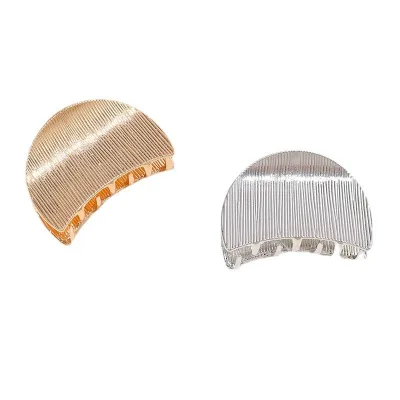
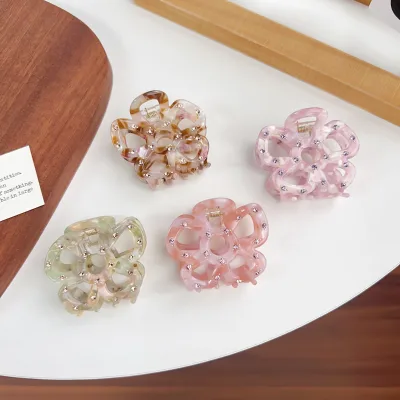
Sourcing fashion hair clips requires a nuanced understanding of material diversity and aesthetic trends, as the market offers a wide spectrum of options ranging from durable metal alloys to lightweight plastics and soft fabrics. Buyers must first define the target demographic, whether it is young girls, women, or youth segments, as this dictates the appropriate style, size, and functional requirements. The observed product landscape includes distinct categories such as gold-toned metal claws, black plastic flower designs, and silver elegant clips, each serving different visual and practical needs. Understanding these variations is crucial for aligning inventory with specific customer preferences and seasonal demands.
Procurement strategies should also account for the versatility of usage occasions, which span daily wear, family parties, and holiday events. The global export nature of this category indicates a robust supply chain, with origins primarily centered in manufacturing hubs like Yiwu City in Zhejiang Province, China. Buyers should leverage this geographic concentration to access a broad array of designs, including bowknot shapes, animal motifs, and simple or elegant styles. By recognizing the seasonal applicability, which often extends to whole-year use or specific spring and autumn collections, purchasers can optimize stock levels to meet consistent demand without overcommitting to seasonal inventory that may lose relevance quickly.
Product Scope and Observed Listing Signals
The current market signals indicate a high degree of customization availability, allowing buyers to tailor products to specific brand identities or niche market demands. Observed listings reveal a significant price range, typically between $0.06 and $2.99 USD, reflecting the variance in material quality, design complexity, and order volume. Minimum Order Quantities (MOQs) are equally diverse, starting as low as 10 pieces for sampling or small boutique orders and extending up to 13,000 pieces for large-scale retail distribution. This flexibility enables businesses of all sizes to enter the market, from independent designers testing new concepts to large retailers securing bulk inventory for peak seasons.
Visual and functional attributes play a pivotal role in product selection, with common designs featuring hair claws, clips, and decorative elements like flowers, bows, and animals. Materials observed include metal, plastic, and fabric, each offering distinct advantages in terms of durability, weight, and aesthetic appeal. For instance, metal clips provide a premium feel and strong hold, while plastic options offer vibrant colors and cost-effective production. The packaging methods, ranging from individual OPP bags with cards to bulk cartons, also influence the final product presentation and logistics efficiency, requiring buyers to consider both shelf appeal and shipping costs when making procurement decisions.
Technical Specifications to Verify
Verifying technical specifications is essential to ensure that the hair clips meet functional expectations and fit the intended user base. Buyers should confirm the exact model numbers, such as HF-46727 or clip-11, to maintain consistency in future orders and avoid discrepancies in design or size. The size specifications often vary, with some items listed as "free size," which implies a universal fit, while others may have specific dimensions that need to be checked against the target demographic's hair type and volume. Ensuring that the clip mechanism functions correctly, whether it is a claw grip or a standard clip closure, is critical for customer satisfaction and product longevity.
Material composition must be clearly defined, as the same product category can encompass metal, plastic, or fabric constructions, each with different durability and maintenance requirements. For example, plastic hair clips may be lightweight and colorful but could become brittle over time, whereas metal clips offer strength but may tarnish if not properly coated. Buyers should also verify the weight specifications, such as 30g or 50g, which can impact shipping costs and user comfort. Additionally, confirming the packaging details, including inner and outer carton dimensions, helps in planning warehouse storage and optimizing logistics efficiency, ensuring that the products arrive in pristine condition ready for retail display.
Compliance and Safety Documentation
Compliance and safety documentation are paramount when sourcing hair accessories, particularly those marketed towards children or used in frequent daily applications. Buyers must ensure that all products meet relevant safety standards to prevent hazards such as choking, sharp edges, or allergic reactions to materials. While specific certifications like ISO 9001 or BSCI are mentioned in background contexts, buyers should actively request and verify current compliance certificates from suppliers to confirm adherence to international safety regulations. This due diligence protects the brand from liability and ensures that the products are safe for end-users, especially in markets with strict consumer protection laws.
Documentation should also cover material safety, particularly for plastic and metal components, to ensure they are free from harmful substances like lead or phthalates. Buyers should inquire about the testing procedures used by suppliers to validate material safety and request test reports from accredited laboratories. Additionally, understanding the origin of the products, such as manufacturing in Yiwu City, can provide insights into the local regulatory environment and quality control practices. By prioritizing compliance, buyers can mitigate risks associated with product recalls or legal issues, thereby maintaining trust with consumers and ensuring long-term market viability for their hair accessory lines.
Cost Drivers and Commercial Terms
Cost drivers in the fashion hair clip market are influenced by material selection, design complexity, and order volume. Metal clips generally command higher prices due to the cost of raw materials and manufacturing processes, while plastic and fabric options offer more budget-friendly alternatives. Buyers should negotiate based on the observed price range of $0.06 to $2.99, considering how factors like customization, packaging, and shipping methods impact the final landed cost. Understanding these variables allows for more accurate budgeting and pricing strategies, ensuring that profit margins are maintained while remaining competitive in the retail market.
Commercial terms, including sample times and shipping options, also play a significant role in the procurement process. Suppliers typically offer sample times of 7-10 days, which is crucial for buyers who need to evaluate product quality before committing to large orders. Shipping methods, such as by sea, air, or express, should be selected based on urgency and cost considerations, with sea freight being more economical for bulk shipments and air or express services suitable for time-sensitive orders. Buyers should also clarify payment terms and return policies to ensure a smooth transaction process, minimizing financial risks and ensuring that both parties are aligned on expectations regarding delivery and quality assurance.
Supplier Qualification and Quality Control
Supplier qualification is a critical step in ensuring the reliability and consistency of the fashion hair clip supply chain. Buyers should assess suppliers based on their production capacity, quality control processes, and ability to meet customization requests. Given the global export nature of the industry, suppliers with experience in international trade are preferable, as they are likely to be familiar with diverse market requirements and compliance standards. Verifying the supplier's origin, such as manufacturing in China, can also provide insights into their expertise and efficiency in producing high volumes of hair accessories.
Quality control measures should be rigorously enforced to maintain product standards and customer satisfaction. Buyers should implement pre-shipment inspections to check for defects in materials, design, and packaging, ensuring that each batch meets the agreed-upon specifications. Establishing clear communication channels with suppliers allows for prompt resolution of any issues that arise during production or delivery. Additionally, building long-term relationships with qualified suppliers can lead to better pricing, priority production, and improved service levels, ultimately enhancing the overall procurement experience and supporting the growth of the buyer's business in the competitive hair accessory market.
Long-Term Procurement Checks
Long-term procurement checks involve continuous monitoring of supplier performance, market trends, and product quality to ensure sustained success in the fashion hair clip sector. Buyers should regularly review supplier metrics, such as on-time delivery rates, defect rates, and responsiveness to issues, to identify areas for improvement or potential risks. Staying informed about emerging design trends, such as new shapes, colors, or materials, allows buyers to adapt their inventory strategies and remain competitive in the market. This proactive approach helps in anticipating demand shifts and adjusting procurement plans accordingly to minimize stockouts or overstock situations.
Additionally, buyers should periodically reassess their compliance and safety documentation to ensure ongoing adherence to evolving regulations and standards. Engaging in regular audits or third-party inspections can provide an objective assessment of supplier practices and product quality. Building a diversified supplier base can also mitigate risks associated with single-source dependencies, ensuring continuity of supply even if one supplier faces disruptions. By maintaining a strategic focus on quality, compliance, and market responsiveness, buyers can establish a robust and resilient procurement system that supports long-term growth and profitability in the dynamic fashion hair clip industry.
FAQs
Can I customize fashion hair clips for my brand?
Yes, customization is available for fashion hair clips to suit your specific branding needs. Buyers can request unique designs, colors, or packaging options to align with their market strategy. This flexibility allows for tailored products that meet distinct aesthetic requirements. The supplier supports various customization requests, ensuring the final product matches your vision. This service is ideal for businesses seeking differentiated inventory.
What materials are used in these fashion hair clips?
Fashion hair clips are primarily made from metal, plastic, and fabric materials. Metal options offer durability and a sleek finish, while plastic variants provide lightweight comfort and vibrant colors. Fabric clips add a soft, textured appeal suitable for delicate hair types. These material choices ensure versatility for different styling preferences. Buyers can select the material that best fits their target audience's needs and usage scenarios.
What is the sample time for fashion hair clips?
The sample time for fashion hair clips is typically 7-10 days. This period allows for the production and quality check of custom or standard samples. Buyers can use this timeframe to evaluate design accuracy and material quality before placing bulk orders. Free samples may be available depending on the supplier's policy. This lead time ensures that clients can make informed decisions efficiently.
Which styles are available for fashion hair clips?
Fashion hair clips come in various styles including fashion, simple, and elegant designs. Shapes range from flowers and bowknots to animals, catering to diverse tastes. Colors include gold, black, silver, and many other options. These styles are suitable for daily use, holidays, and family parties. The variety ensures that buyers can find clips that match specific seasonal trends or customer preferences effectively.
How are fashion hair clips packaged for shipping?
Fashion hair clips are packaged in OPP bags with cards or in cartons for bulk orders. Inner and outer cartons are used for larger shipments to ensure safety. This packaging protects the clips from damage during transit. The method is suitable for sea, air, or express shipping. Proper packaging helps maintain product quality and presentation upon arrival, ensuring customer satisfaction and reducing return rates.
What is the MOQ for fashion hair clips?
The minimum order quantity for fashion hair clips ranges from 10 to 13,000 units. This wide range accommodates both small trial orders and large bulk purchases. Buyers can choose an MOQ that fits their inventory needs and budget. Lower MOQs allow for testing new designs, while higher volumes offer cost efficiencies. This flexibility supports businesses of various sizes in sourcing effectively.
Where are fashion hair clips manufactured?
Fashion hair clips are manufactured in China, specifically in Yiwu City, Zhejiang Province. This region is known for its extensive manufacturing capabilities and supply chain efficiency. Products are exported globally, ensuring wide availability. The origin supports competitive pricing and diverse product ranges. Buyers can rely on this established manufacturing hub for consistent quality and timely delivery of fashion hair clips.